2026-09-13 ·
Preparing Commercial Dumpsters for Summer Heat in Stevenson
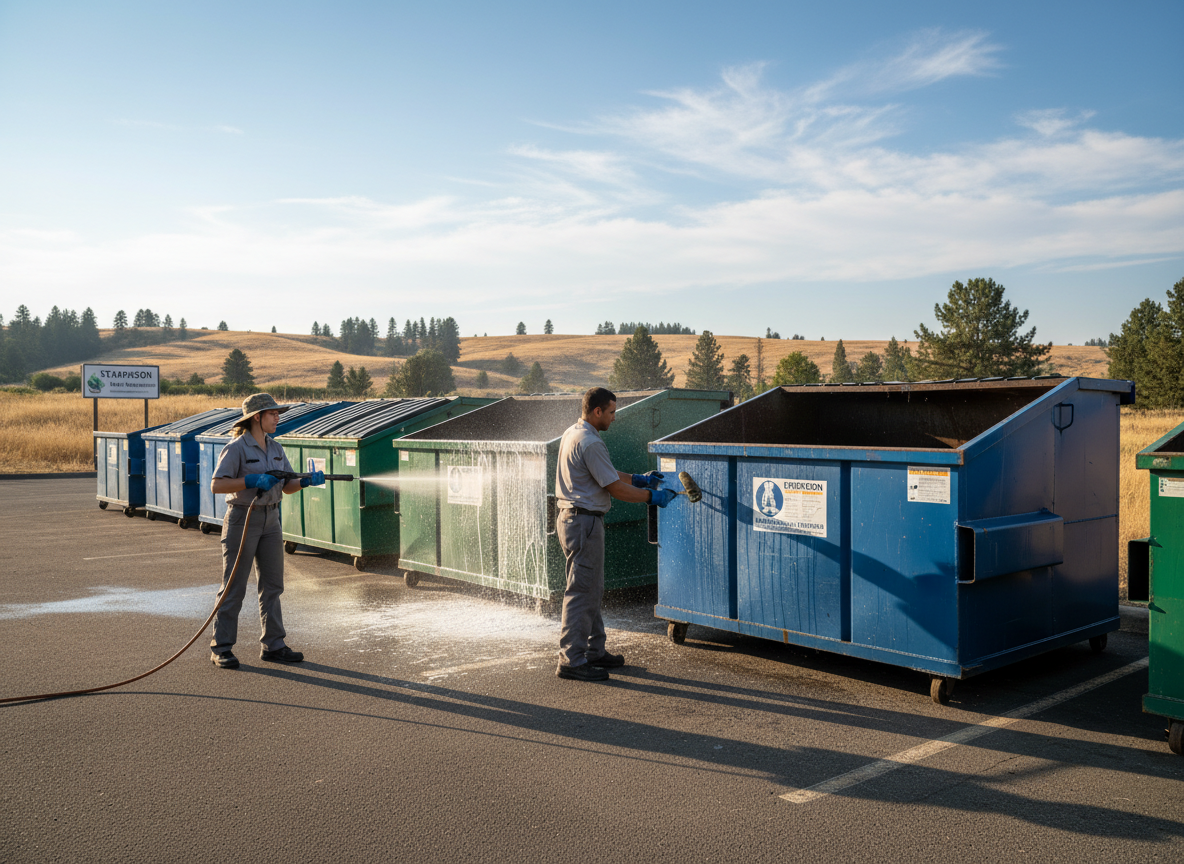
In Stevenson’s humid subtropical climate, preparing commercial dumpster service starts with daily cover checks and twice-weekly washdowns once temperatures climb above 85 degrees. Jackson County summers bring high humidity that accelerates odor and pest problems on commercial sites, especially near older buildings in Stevenson and Bridgeport. Owner-operated teams at True Dumpster Rental Stevenson handle these conditions with 24/7 availability to adjust schedules before issues compound.
Understanding Stevenson’s Summer Climate Impact
Stevenson sits in Jackson County where hot, humid summers push daytime highs into the low 90s with little overnight relief. This weather speeds decomposition inside commercial dumpsters, creating stronger odors within 48 hours compared to milder seasons. Properties along routes to the Stevenson Railroad Depot Museum often see increased fly activity when moisture lingers in waste. Commercial operators in nearby Scottsboro report needing extra drainage holes drilled in units to prevent standing water that breeds bacteria. These local patterns mean placement decisions must account for afternoon sun exposure on asphalt lots common in downtown Stevenson. Adjusting service frequency before peak heat arrives keeps containers usable without emergency calls.
Securing Covers and Placement for Heat
Proper covers prevent rainwater from mixing with commercial waste during sudden summer storms that hit Jackson County. Use heavy-duty tarps weighted at the corners rather than relying on standard lids alone, which warp in prolonged heat. Place units on level gravel pads away from building walls to allow airflow and reduce heat reflection that bakes contents. Local rules for placing commercial dumpsters on Stevenson job sites require setbacks from sidewalks and utilities that also help with ventilation. Check tie-down straps weekly because wind gusts increase with afternoon thunderstorms. Teams serving Bridgeport and surrounding areas note that south-facing placements need shade tarps added by mid-June to slow odor buildup.
Managing Odors and Pests on Commercial Sites
High humidity in Stevenson turns everyday commercial waste into odor sources faster than in drier regions. Add absorbent pellets at the base of 40 yard roll off dumpster rental units used for food service or retail properties. Schedule evening washes with a hose when temperatures drop below 80 degrees to avoid steam that spreads smells. Pests thrive near the Tennessee River corridor, so commercial dumpster service includes swapping out units every 10–14 days during July and August rather than the standard 21-day cycle. Properties in Scottsboro often combine this with sealed liners for construction debris mixed with organics. Regular inspections catch early signs of infestation before neighbors complain.
Scheduling Service Around Peak Heat
True Dumpster Rental Stevenson offers Mon–Sun 24/7 dispatch so commercial clients can shift pickups to early morning hours before heat peaks. Track waste volume weekly because summer projects generate more material from air-conditioning upgrades and landscaping. Link service changes to the cost factors for commercial dumpster service in rural north Alabama to budget for added hauls without surprise fees. In Bridgeport and Stevenson, crews recommend staging extra 30 yard dumpster rental near me units on larger sites to avoid overflow during holiday weekends when volume spikes. Consistent timing prevents the need for after-hours emergency swaps that disrupt business operations.
Selecting Sizes and Maintenance for Summer Use
Match container size to actual waste output rather than defaulting to the largest option. A 40 yard roll off dumpster rental works for high-volume retail but creates odor pockets if only half full during slow weeks. Inspect wheels and lids monthly because heat expands metal and causes sticking. Commercial sites near the railroad tracks benefit from smaller 20 yard roll off dumpster rental units that fit tighter spaces while still handling daily loads. Owner-operated crews emphasize checking drainage plugs after each rain because clogged holes lead to standing water that accelerates rust. These steps keep equipment reliable through September when mild fall weather finally arrives.